
The complete guide
Choosing a Personal First Aid Kit for Home and Leisure
First-aid supplies are less useful when nobody knows where they are. A dressing in one cupboard and a bandage in another can make a simple search harder than it needs to be. Keeping supplies together gives you a clear place to start.
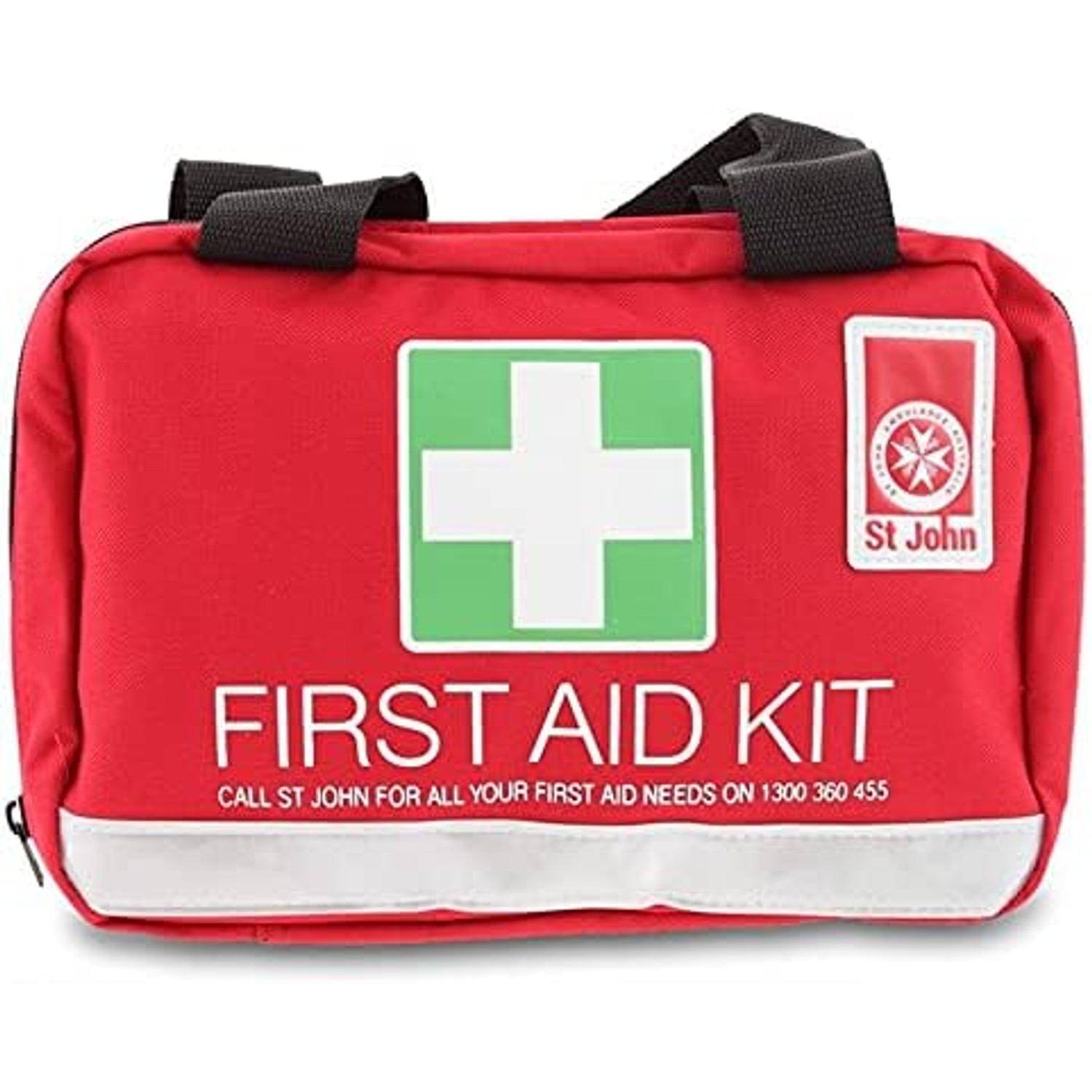
The St John Small Leisure First Aid Kit is intended for personal and leisure use. It has a red, water-resistant soft case with fold-out mesh pockets. Its contents include dressings, bandages and basic first-aid accessories, though that is only a partial summary.
Choosing a kit means looking beyond its name. The right choice depends on what you need, where you plan to keep it and whether the actual contents match your activities. This guide explains the confirmed features and the details worth checking before you decide.
Start with your intended use
Think about why you want a first-aid kit. You may want supplies kept together at home, or a kit to consider for leisure outings. Those are useful starting points, but they do not tell you exactly what should be inside.
A household's needs may differ from those of someone planning an outdoor activity. Existing health needs can also affect what a person should keep available. If you are unsure about your requirements, seek advice from a qualified professional rather than relying on a product name.
This is a personal and leisure kit. It is not presented as a complete answer for every setting. No workplace compliance claim is provided, and there is no claim that its contents cover all serious injuries.
That distinction helps you make a sensible comparison. Start with the intended purpose, then check the full inventory.
Understand what is confirmed inside
The approved contents summary names dressings, bandages and basic first-aid accessories. These are broad groups, not a detailed packing list. Exact item types, sizes and quantities are not specified in this record.
That matters when comparing an everyday first aid kit with another option. Two kits can mention the same general categories yet contain different supplies. A category name alone does not tell you whether a particular item is present.
Use the supplied contents list as your reference. Read it alongside the instructions, and avoid filling in missing details from photographs, similar products or assumptions about the brand.
Do not assume medicines, food or water are included. They are not listed in the approved summary. If your plans call for other supplies, assess those needs separately rather than treating this kit as a complete emergency pack.
How the fold-out layout helps
A first aid kit with mesh pockets gives supplies defined places within the case. This kit uses a fold-out layout, so getting familiar with it is a useful step before putting it into regular storage.
Open the case when you have time to look through it carefully. Compare what is present with the supplied list and learn where the items belong. This is about knowing the kit, not practising treatment without guidance.
Organisation also helps with routine checks. When you know the usual layout, you have a clearer basis for noticing an empty space or checking an item that has been used.
Keep that layout understandable after each inspection. If you move supplies around, make sure anyone else who may need the kit knows where to find them. An organised first aid kit still needs people to be familiar with it.
Look closely at the case format
This product has a soft case rather than a confirmed rigid container. The case is red and has fold-out mesh pockets. Those are the stated construction details.
The exact fabric, fastening type and carrying features are not specified. Avoid assuming it has a handle, strap, mounting point or particular opening system. Those details can matter if you have a specific way of storing or carrying it in mind.
A soft case first aid kit may be the format you prefer, but preference is only part of the decision. You also need to know whether it fits the space where you intend to keep it.
The word Small appears in the product name, but measurements and weight are not provided here. If your storage space is tight, confirm those details before choosing. A name is not a substitute for a measurement.
Water-resistant does not mean waterproof
The case is described as water-resistant. That is a useful feature to note, but it should not be read as a promise that the contents will stay dry in every condition.
No waterproof rating, immersion protection or test standard is specified. Do not plan to leave the kit exposed to soaking or rely on the case alone where water could enter.
When choosing a water-resistant first aid case, think about where it will actually sit. A protected storage location remains important. Check the contents after unexpected moisture exposure and follow the instructions for individual items.
The practical aim is simple. Keep the supplies in suitable condition, rather than asking the case to do more than its description supports.
Choosing a place at home
A home first aid kit needs a known storage place. Choose somewhere accessible to the people who may need it, while considering safe storage around children and anyone who could misuse the contents.
Tell relevant household members where the kit is kept. If it moves between home and outings, make returning it part of the routine. An empty storage spot is not much help if everyone assumes the kit is still there.
Follow the supplied storage instructions for the case and contents. Keep items dry and avoid treating a closed case as proof that everything inside remains in suitable condition.
It can also help to check whether the kit duplicates supplies you already own or leaves a need unanswered. Buying another container is not the same as reviewing your household's first-aid arrangements.
Considering it for leisure and travel
For a travel first aid kit, start with the activity rather than the packing space. A short leisure outing and a remote trip can involve very different needs.
This product's stated purpose includes leisure use, but no destination-specific or activity-specific coverage is claimed. Check the full contents against your plans. If you need advice on what to carry, ask a suitably qualified professional.
Also consider how the kit will be stored during the outing. Dimensions and weight are unknown in this record, so confirm them if you need it to fit a particular bag or compartment.
If your journey involves rules about carrying certain items, check those rules against the actual inventory. Do not assume that every item in a personal kit is suitable for every travel arrangement.
Keep care simple and consistent
Follow the instructions supplied with the kit. No particular washing method is confirmed here, so avoid assuming that the case can go in a washing machine or tolerate a certain cleaning product.
Check the contents at intervals and after use. Inspect packaging, review expiry dates where marked and identify anything missing. Replace used or expired items with suitable supplies.
Use the contents list to keep track of what belongs in the kit. This is more reliable than trying to remember the original arrangement months later.
If you add personal supplies, check the instructions and available space first. Keep added items clearly identifiable and avoid covering the original contents. A crowded first aid storage bag can become harder to understand, even when it contains more items.
Know the limits before you buy
A first-aid kit is a set of supplies. It does not replace training, professional advice or urgent medical help when needed. Familiarity with the contents should sit alongside an understanding of those limits.
This record does not specify dimensions, weight, country of origin or exact case material. It also does not give individual item counts or warranty details. Treat those as unanswered questions, not reasons to guess.
The confirmed features offer a useful basis for comparison: a red soft case, water resistance, fold-out mesh pockets and a personal and leisure purpose. Decide whether those features match what you are looking for, then verify the contents.
If you are buying it as a gift, the same checks apply. A practical present works better when it matches the recipient's needs rather than simply looking useful.
The short version
The St John Small Leisure First Aid Kit keeps personal and leisure first-aid supplies together in a red, water-resistant soft case. Fold-out mesh pockets provide an organised layout, and the partial contents summary includes dressings, bandages and basic first-aid accessories.
Check the supplied inventory and instructions before relying on it. Confirm measurements if fit matters, protect it from soaking and keep its contents checked.
If it does not suit your needs, consult the store returns policy. Voluntary 14-day change-of-mind returns are subject to conditions, and Australian Consumer Law rights are unaffected.