
The complete guide
Choosing a Wind-up Radio for Home and Camping
A flat phone or a power outage can make familiar ways of listening less convenient. A separate radio gives you another way to hear available broadcasts, without asking your phone to handle that job as well.
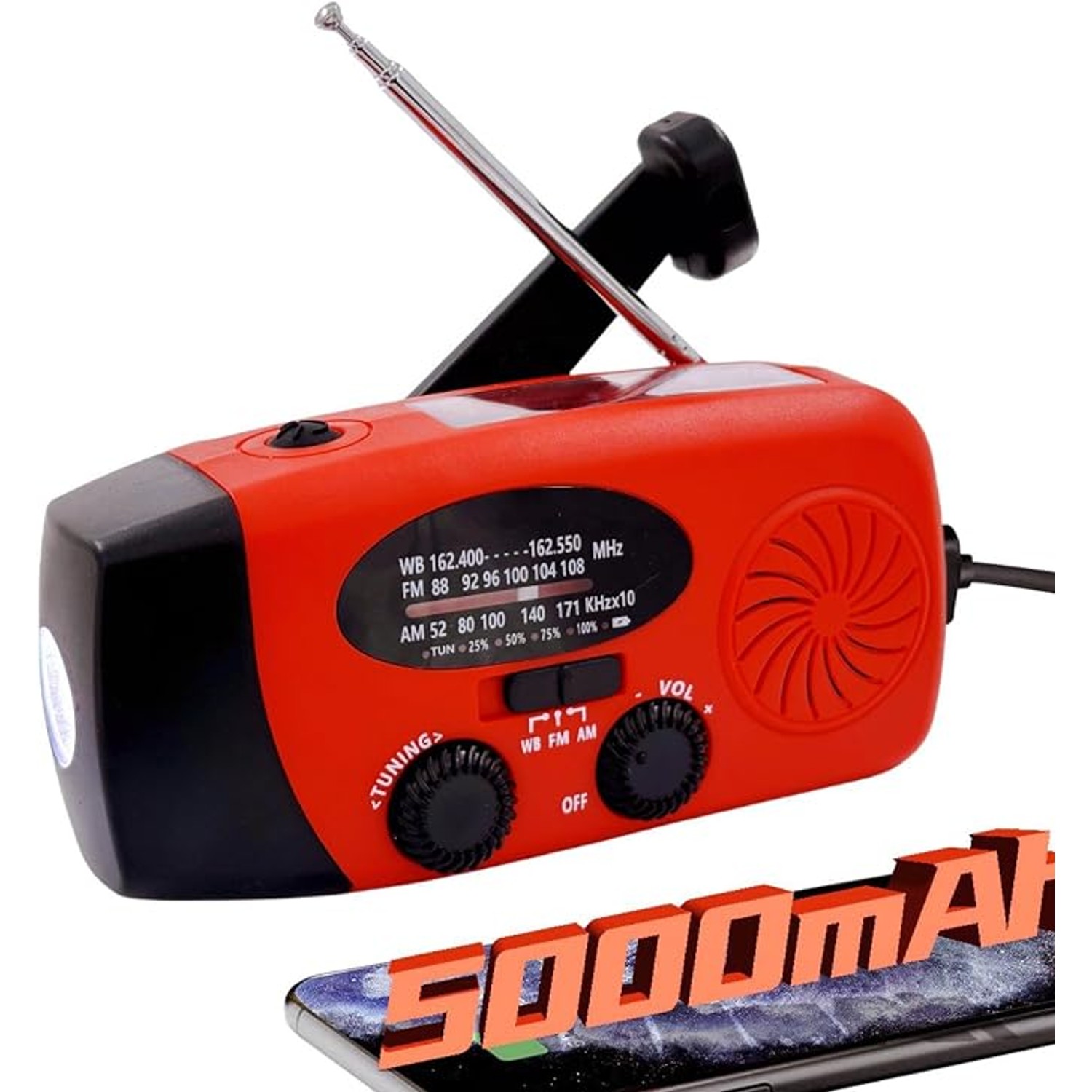
The iRonsnow 5000mAh Wind-up AM/FM Radio combines AM/FM reception with USB-C, solar and hand crank charging. It also includes an LED light, SOS sound and a headphone socket. Those are useful features to compare, but they do not tell the whole story.
Choosing a backup radio means looking at what it does, what remains unknown and how you plan to use it. For Australian buyers, that includes one important limit. The NOAA weather band is for US broadcasts, not Australian weather alerts.
Start with the listening you actually need
Think about where you expect to use the radio. You might want to hear a familiar station at home, follow available broadcasts during a power outage or listen while camping. Each setting makes different demands on reception and charging.
This model supports AM and FM. That gives you access to those broadcast bands, but it does not guarantee reception of a particular station at a particular address. Buildings, terrain and local broadcast coverage can affect what you hear.
Before adding a power outage radio to a cupboard and forgetting about it, try it where you expect to use it. Find the stations you normally listen to and learn how the controls work. An ordinary afternoon is a better time to become familiar with a radio than a stressful evening without power.
Understand the three charging choices
The main reason to consider a hand crank radio is the choice of charging methods. This iRonsnow model supports hand crank, solar and USB-C charging, with a USB-C cable included.
Each method is an option, not a promise of a particular charging speed. The approved details do not state how long a full charge takes by USB-C, how much energy a period of cranking adds or how quickly sunlight charges the battery.
That matters when comparing products. A claim such as a few minutes of cranking for hours of listening would need supporting data. No such figure is provided here, so it should not form part of your plan.
Read the supplied instructions before using any charging method. Familiarity with the process is more useful than guessing at how long a charging session should last.
What 5000mAh tells you
The stated battery capacity is 5000mAh. It is a useful specification to note, but it is not the same as a listening-time claim.
Runtime depends on how a device uses stored power. Without a stated test result or runtime figure, there is no sound basis for promising a certain number of hours from this rechargeable AM/FM radio. The same caution applies to the LED light.
If you need uninterrupted listening for a set period, seek confirmed runtime information before deciding. Do not assume that another radio with the same battery capacity will behave in exactly the same way.
It is also important not to read phone charging into the battery figure. Phone charging capability is not confirmed in the approved details, and no phone recharge count is provided.
Know the Australian weather-band limit
Weather-radio terms can be confusing when products appear across different countries. NOAA weather broadcasts are a US service. The NOAA band on this model does not provide Australian weather alerts.
That does not remove the value of AM/FM listening. Local radio stations may broadcast news, weather reports or emergency information. However, receiving a normal broadcast is different from receiving an automatic warning aimed at your location.
If you are choosing an Australian emergency radio, make that distinction part of your comparison. Do not assume that the word “weather” means the unit will issue local alerts or wake you when conditions change.
Keep other appropriate ways to receive official information available. A radio can be one part of your preparations without being your only source of information.
Decide whether the extra features help
The built-in LED light means there is a light alongside the radio. That may be useful when you want both functions in the same place. Brightness, beam distance and lighting runtime are not specified, so compare it by its confirmed presence rather than an assumed output.
The SOS feature is described as a sound. It should not be confused with a communication service, a location beacon or a way to call emergency services. There is no confirmed feature here that sends a message or shares your position.
A radio with LED light can be convenient, but it is still worth keeping your expectations clear. Decide whether the listed functions suit your needs without assigning them abilities that are not stated.
Consider how you prefer to listen
A headphone socket gives you another listening option. It may appeal if you prefer headphones rather than sharing radio audio with people nearby.
The socket size is not specified in this record. Headphones are not listed as an included accessory either. If this feature is a deciding factor, confirm compatibility before selecting a pair.
For everyday use, think about your habits as well as the feature list. Do you normally listen in one room, move around the house or take a radio outside? Knowing that helps you decide which details need checking.
Dimensions and weight matter here too. Neither is specified, so descriptions such as pocket-sized, lightweight or easy to pack would go beyond the available facts.
Check the fit for a household kit
A household emergency kit radio should be something you know how to operate and can find when needed. Its place in your kit matters as much as the features printed on the box.
Keep the radio somewhere accessible and dry. Let other household members know where it is, and become familiar with tuning and charging before you need either in a hurry.
The iRonsnow ALERTSYNC radio brings several functions together, which may suit people who want fewer separate items to keep track of. Even so, a combined device is not a reason to rely on a single item for every need.
Check operation and battery readiness as part of your normal preparation. Follow the supplied instructions for any more detailed storage or charging advice rather than inventing a schedule.
Think through camping use
For a camping AM/FM radio, start with broadcast coverage at your destination. A charging method cannot solve a lack of reception, so think about listening and power as separate questions.
Solar and hand crank charging may be reasons to consider this model when your usual charging setup is unavailable. Their inclusion does not establish how quickly they will replace used energy. Plan around that uncertainty.
Protection from moisture is another key point. No waterproof rating is specified. Keep the radio away from rain, splashes and damp surfaces, and do not assume it can stay outside because it has solar charging.
If space or pack weight is tight, confirm measurements first. The available record does not provide enough information to judge whether it fits a particular bag or carrying limit.
Compare confirmed facts, not assumptions
When comparing a wind-up AM/FM radio with other options, write down the details that matter most to you. This model has confirmed AM/FM reception, a 5000mAh battery and three charging methods. It also has an LED light, SOS sound and headphone socket.
Then note the gaps. Dimensions, weight and construction materials are not specified. Neither are runtime, charging times, light output or headphone socket size.
Unknown details do not automatically make a product unsuitable. They simply mean you should not base a decision on them without checking. If a specific measurement or performance figure is essential, get that answer before buying.
The red ALERTSYNC model is the version identified here. Avoid borrowing specifications from another radio with a similar name or appearance.
Care without overcomplicating it
Keep the exterior clean with a soft, dry cloth. Avoid getting moisture into charging connections or controls, and store the unit away from excessive heat.
Use the supplied instructions for operating the hand crank and charging the battery. There is no need to guess how much force to apply or how long to continue.
Before planned use, check that the radio works and that you understand its controls. If you are giving it as a gift, pass on the operating information too. Explaining the NOAA limitation is especially helpful for an Australian recipient.
If the product does not suit your needs, consult the store returns policy. Voluntary 14-day change-of-mind returns are subject to conditions, and Australian Consumer Law rights are unaffected.
The short version
This solar powered radio is worth considering if you want AM/FM listening with USB-C, solar and hand crank charging. The 5000mAh battery, LED light, SOS sound and headphone socket form its confirmed feature set.
Choose it for those features, not for unconfirmed runtime, waterproofing or phone charging. Remember that NOAA does not provide Australian weather alerts. Check any missing details that matter to you, learn the controls and make the radio one part of a wider plan.