
The complete guide
Choosing a Rechargeable Camping Lantern for Camp and Home
When a torch is not enough
A torch helps you find a tent peg or see a path. It is less useful when everyone around a table needs light at the same time. Point it at one place and the rest of the space stays dark. During a power cut, that can make even a simple meal awkward.
A rechargeable camping light fills a different role. It lights the space around it, leaving you free to read, sort equipment or sit together without someone holding a torch.
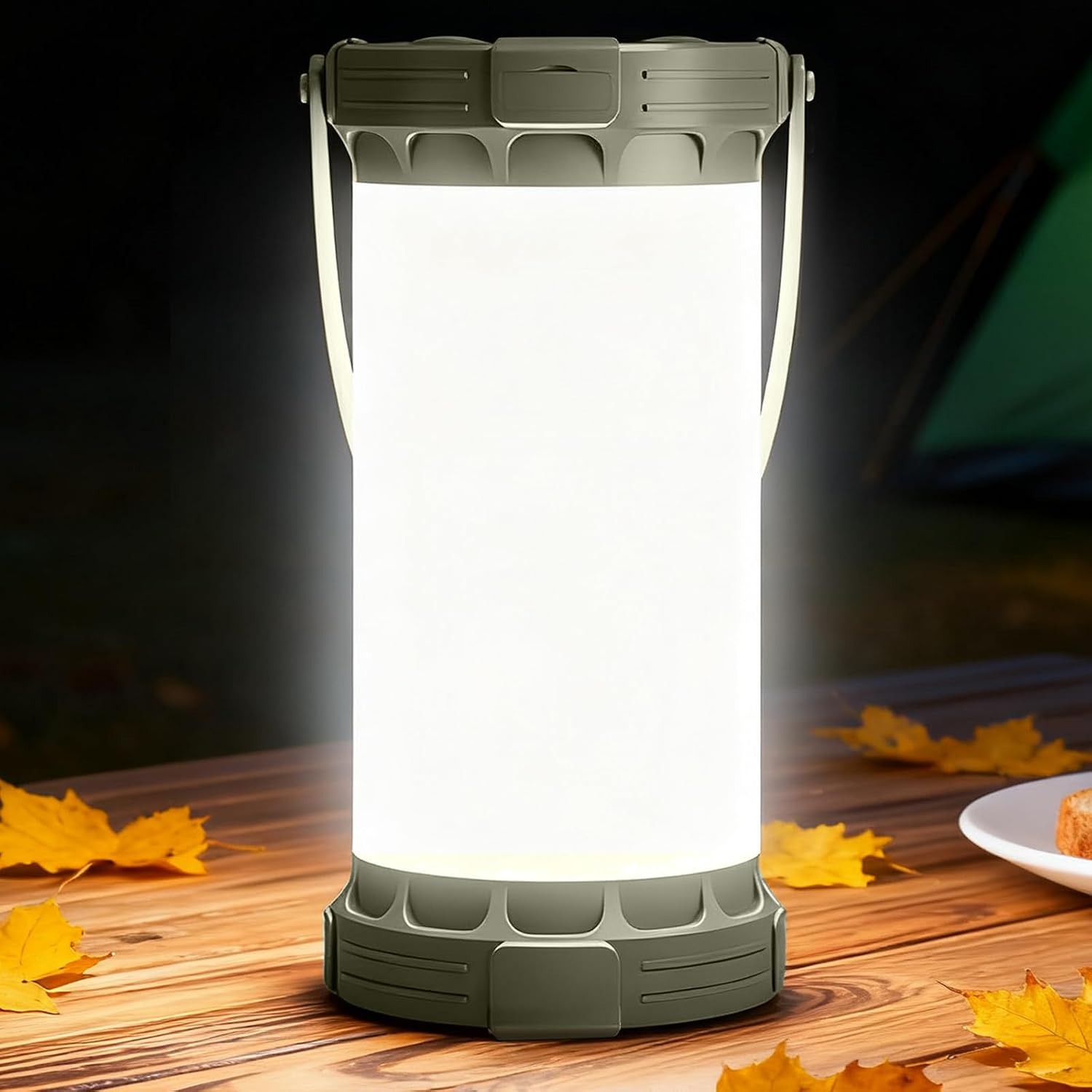
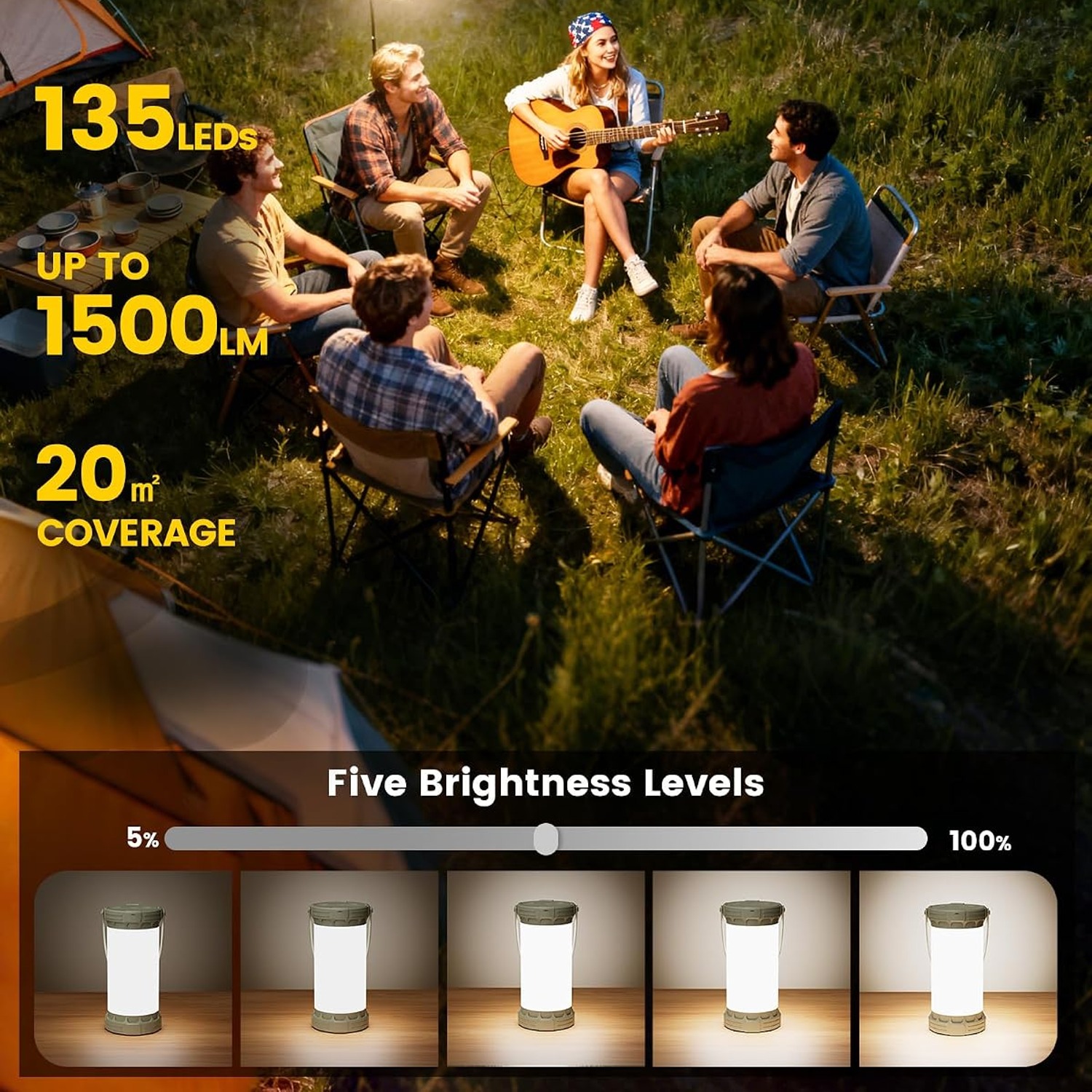
The Glocusent C12 uses 135 LEDs and a 360-degree beam for that kind of shared lighting. It also has adjustable brightness, three white-light colours and a built-in battery. Those features make it worth considering for camp tables and home backup use, provided its size and charging needs suit your plans.
How this lantern works
The C12 stores power in a built-in 5000mAh lithium-ion polymer battery. You charge it through USB-C, then use the stored power for lighting away from a socket. The product description lists a full charge time of approximately 3.5 hours.
Unlike a directional torch, the lantern sends light around its body. Place it where the light can reach the people or objects that need it. A bag or other equipment sitting beside it can block part of that light, so position matters.
Tabletop mounting is listed, and the product information also shows hanging options. Before hanging the lantern, check the supplied instructions for a suitable attachment method. The product details do not give mounting load limits.
For most buyers, the key question is where it will sit. Think about your table, tent space or room at home rather than judging the lantern on brightness alone.
Choose the brightness for your task
Adjustable brightness lets you reduce the light when sitting close to the lantern or conserve battery power. Use enough light to see comfortably and increase it when the task requires it.
Higher settings use more battery power. A mode-by-mode runtime table is not specified, so charge the lantern before a trip and practise with the settings you expect to use.
Choose a light colour for the task
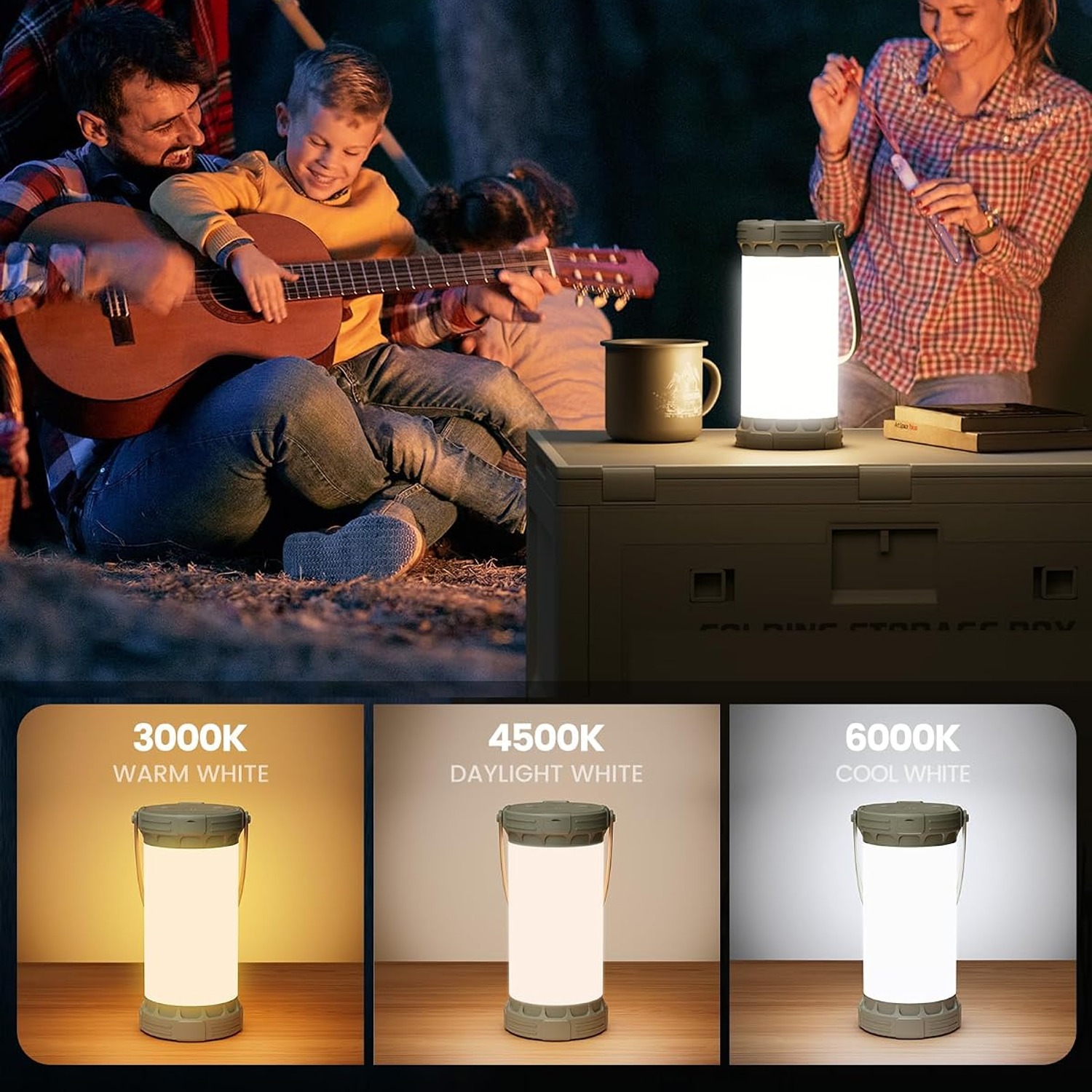
The C12 offers 3000 K warm white, 4500 K neutral white and 6000 K cool white. These figures describe the appearance of the white light, not different brightness levels.
Warm white may appeal when you want a softer-looking light around a table. Neutral white gives another option for reading or sorting small items. Cool white has a whiter appearance that some people prefer for practical tasks.
Preference matters here. A light that feels comfortable to one person may seem too warm or too cool to another. Having a choice lets you change the setting rather than accept one fixed colour.
If you are buying a warm white camping lantern for evenings, the 3000 K option is worth noting. If the same lantern will handle several jobs, the other settings may be useful too.
Plan battery life around real use
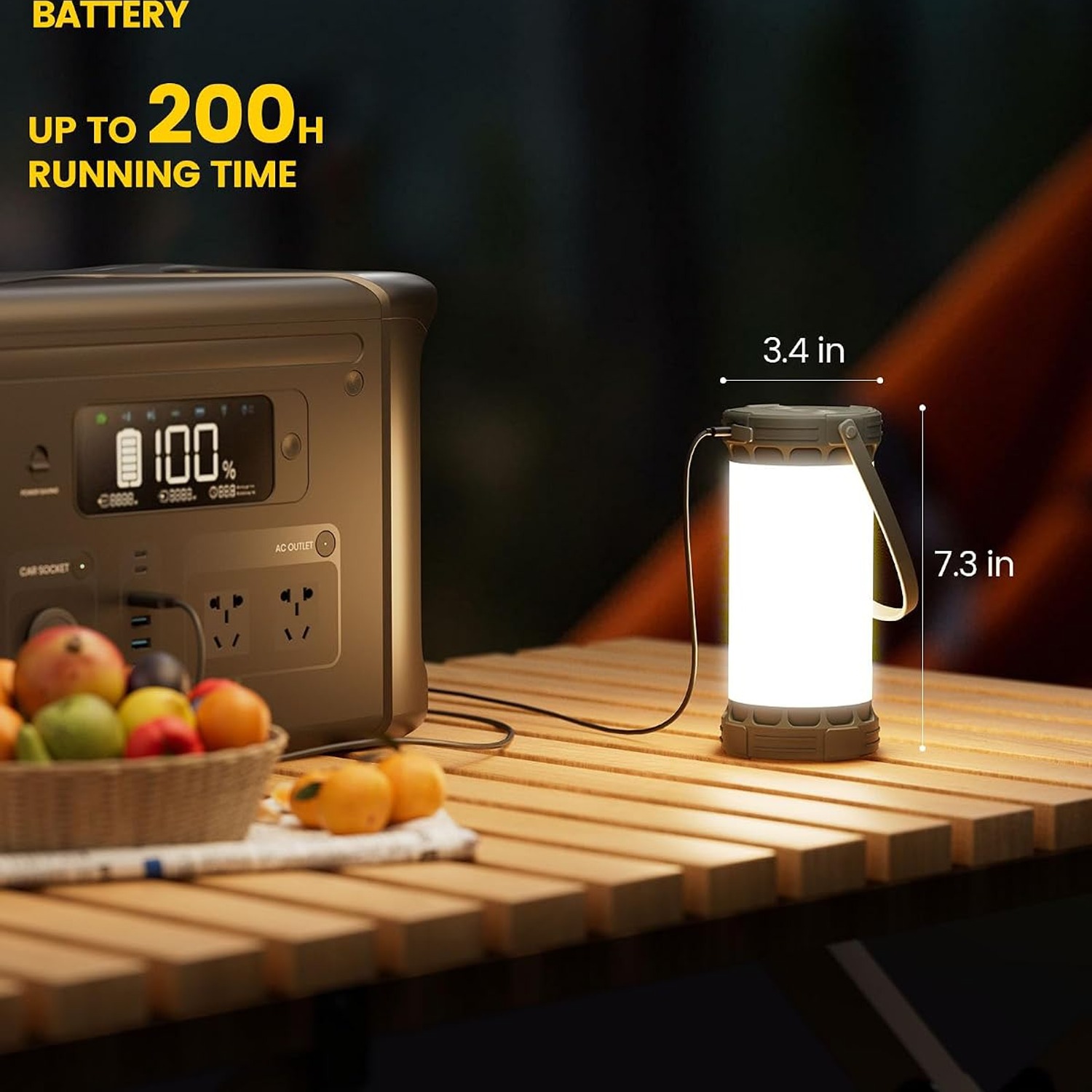
The headline runtime is up to 200 hours on low. That is a low-setting figure, not a promise of 200 hours at full brightness.
The product details do not provide a runtime table for the other settings. It is sensible to charge before a trip and learn how the lantern performs with your preferred brightness before relying on it for several nights.
Think about when you will have access to power. A USB-C rechargeable lantern can be convenient on trips with charging stops. On a longer stay away from electricity, your charging plan needs more thought.
For home backup use, choose a regular time to check the battery. A rechargeable light stored out of sight can be easy to forget until the room goes dark. Keep the instructions nearby so you can follow the maker's storage guidance.
Treat phone charging as shared battery use
The C12 also works as a camping lantern power bank. That gives you another way to charge a phone when mains power is unavailable.
There is a trade-off. The phone and the light use the same stored energy. Power sent to a phone is no longer available for the lantern, so think about which job matters most at the time.
The 5000mAh battery figure does not tell you how many full phone charges to expect. Phone battery size and charging losses affect that result, and the product details do not specify charging output.
For a trip where phone power is essential, consider a separate backup source. The lantern's charging function is useful to have, but it should fit into your plan rather than become the whole plan.
Check size before packing
The lantern weighs 299 g. Its detailed specifications list dimensions of 8.7 × 8.7 × 18.5 cm. Those measurements are more helpful than a product photo when deciding whether it fits your bag or storage shelf.
For car camping, you may mainly care about where it sits at camp. For walking trips, every item adds to your load. Compare the lantern with the rest of your lighting kit and decide whether surrounding light is worth the space.
A portable outdoor lantern and a headlamp solve different problems. The lantern is useful when you stop and need shared light. A headlamp leaves your hands free while directing light where you look.
Many buyers will want both roles covered, rather than expecting one light to do everything.
Match it to your setting
At a campsite, the C12 can provide light around a table or seating area. In a tent, placement and brightness deserve care. Keep it clear of bedding and somewhere it will not be knocked over.
As a fishing lantern, it offers surrounding light near your setup. Secure placement matters around water. Avoid positions where a bump, loose line or unstable surface could send it into the water.
For caravan trips, it may serve as a separate table light when you do not want to rely on fixed lighting. Check charging requirements against the equipment you have available.
At home, an emergency camping lantern can help keep one area lit during a power cut. Decide where you would use it and store it somewhere easy to reach. Searching through a cupboard in the dark defeats much of the benefit.
Understand the weather protection
The product description uses waterproof wording, but the stated rating is IP44. Treat that as splash protection, not permission to immerse the lantern.
Keep it out of standing water and give extra attention to the charging port. Do not connect a charging cable while the port is wet. If the lantern gets damp, allow it to dry before charging or putting it away.
It is also worth choosing a sheltered position when practical. Weather protection helps with outdoor use, but it does not remove the need for care.
If your plans involve repeated heavy water exposure or use where equipment could be submerged, ask whether a different protection rating would better suit the job. This lantern does not support a claim of immersion protection.
Keep emergency features in perspective
The lantern includes a red SOS strobe and a super bright mode. These give you more options than ordinary steady lighting.
An SOS light may help attract attention, but visibility depends on the surroundings and whether someone is looking. It cannot guarantee that help will arrive. Keep a separate way to contact assistance when your plans call for it.
Before a trip, learn how to select the modes using the supplied instructions. An emergency is a poor time to work out unfamiliar controls.
The same preparation helps at home. Make sure anyone who may need the power cut light knows where it is and how to turn on ordinary lighting without searching through modes.
Care, buying checks and the short version
For routine care, switch the lantern off and disconnect it before wiping it with a soft cloth. Avoid immersion, let it dry before storage and follow the supplied instructions for battery care.
Before ordering, confirm any accessories you need. The component list names the lantern, but it does not confirm a cable or mains charger. Delivery timing and return terms also need checking on the storefront.
The short version is straightforward. The Glocusent C12 suits buyers who want adjustable surrounding light, USB-C charging and optional phone backup power in a 299 g lantern. Its low-setting runtime is useful context, but brighter-mode runtime remains unspecified.
Choose it for the jobs it is designed to do: lighting a shared spot at camp or providing backup light at home. Plan charging, respect the IP44 rating and keep a separate directed light if your trip needs one.